Streetwear Designs: A Designer's Embroidery Review
As someone who's stitched countless designs onto everything from baby bibs to boutique sweatshirts, I approach new graphic bundles with a very practical eye. The excitement of a cool design is always tempered by the question: how will this actually perform when it's translated into thread and fabric? When I first opened the Streetwear T-shirt Designs bundle, my designer brain immediately shifted into project-planning mode.
The First Stitch Impression: Urban Mood Meets Craft
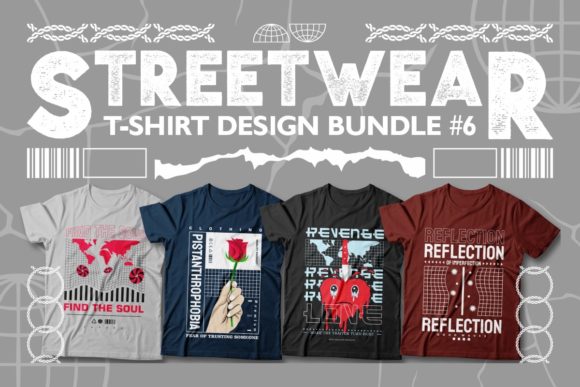
The bundle’s aesthetic is unmistakably contemporary—it carries that confident, urban graphic energy. The shapes are bold, the themes lean into a modern, street-style personality. This isn’t a bundle of delicate florals; it’s about statement graphics. That first impression tells me these designs are destined for projects where attitude is part of the product. Think a custom embroidered sweatshirt for a local coffee shop’s merch, or a tote bag for a maker with a bold brand identity. The layout and detail level in these graphics suggest they’re built for impact, not subtlety.
Where These Graphics Naturally Belong
In my workshop, I’m already picturing specific applications. A larger, bold motif from this bundle would be perfect for the center panel of a heavyweight hoodie—the kind of item that values a strong visual centerpiece. The graphic nature also makes it a fantastic candidate for an embroidered patch, which could then be applied to a backpack or a cap. I’m also thinking about simpler, cleaner designs within the set for baby embroidery on a cool, modern nursery blanket, provided the themes are appropriate. The urban style could translate into a really unique personalized gift for a trendy parent.
Performance on Real Fabrics: Thinking Ahead
Moving from vector graphic to physical stitch requires some mental translation. For machine embroidery, the success of these designs will hinge on how the digital details convert. Bold areas will likely become fill stitch regions, which need careful attention to stitch density to avoid puckering on tees or thinner fabrics. The sharper corners and potential fine lines in some graphics will need a good stabilizer and possibly a reduction in stitch count if they’re to remain crisp on a stretchy fabric like a t-shirt.
I would absolutely test a chosen design on scrap fabric first, especially if I planned to use it on a custom apparel item like a polo shirt or a performance material. Thread color contrast is another key consideration. These streetwear graphics often rely on high contrast for their effect. Stitching them on a dark garment might require switching a proposed light background thread to a much brighter, opaque option to maintain that punchy look.
Projects That Demand Extra Care
Some applications require a more cautious approach. If you’re considering these for small hoop sizes—like on the curved surface of a cap or for a tiny design on a baby item—you must inspect the small details closely in the actual embroidery file. Tiny lettering or intricate decorative accents might not stitch out cleanly at a reduced size. Similarly, textured fabrics like some blanket weaves or heavily textured sweatshirt material can obscure the clean lines of a graphic design. A test run is non-negotiable here.
For products destined for frequent washing, like kitchen towels or aprons, choosing a design with less dense stitch areas will improve longevity. A very dense, solid fill stitch on a tea towel might become stiff and less durable over many washes.
Impact Beyond the Stitch: Value and Perception
The visual appeal of a well-executed streetwear graphic on a finished product is significant. It elevates a simple handmade product like a pillow cover into something that feels curated and contemporary. This directly influences perceived product value and customer trust. A buyer looking for a unique holiday embroidery gift or a small shop product sees not just an embroidered item, but a piece of wearable or usable art. That boosts giftability and buyer engagement.
For Etsy sellers and creative entrepreneurs, using such a cohesive, modern bundle can enhance brand consistency. Offering a line of tote bags, sweatshirts, and caps with a shared graphic sensibility makes your shop look professional and thoughtful. It helps in creating compelling printable mockups for your listings, showing customers a clear vision of your brand’s style.
A Practical Designer’s Checklist Before Hooping
- Always test on scrap fabric that mimics your final project’s material.
- Check the design in black and white mockups to gauge its form without color, which helps assess stitch clarity.
- Compare how it might look on both light and dark fabric backgrounds and plan your thread palette accordingly.
- Confirm the licensing terms of the Streetwear T-shirt Designs bundle before selling any finished items or using the designs in commercial embroidery projects for clients.
- Review the specific embroidery file details for your machine. Since this product is categorized under Print Templates and Graphics, ensure you have the correct, compatible embroidery format and that you understand any required conversions.
- Consider the final product’s surface. Is it flat like a tote bag, or curved like a cap? This may affect how you prepare the design and choose your hoop size.
My final thought, from the perspective of someone who turns digital assets into physical goods, is that this bundle has strong potential for makers aiming for a modern, urban market. Its value isn’t just in the graphics themselves, but in the mood and audience they attract. By approaching them with the practical steps above—testing, adapting for fabric, and respecting licensing—you can transform these streetwear designs into standout finished products that feel both professional and authentically crafted. That’s where the real satisfaction lies, not just in the click of the download, but in the hum of the machine and the final product you hold in your hands.